

Editor's Corner
Insights and reflections from the field of Emergency Medicine
▸Autism in the Emergency Department: Turning Chaos into Compassion
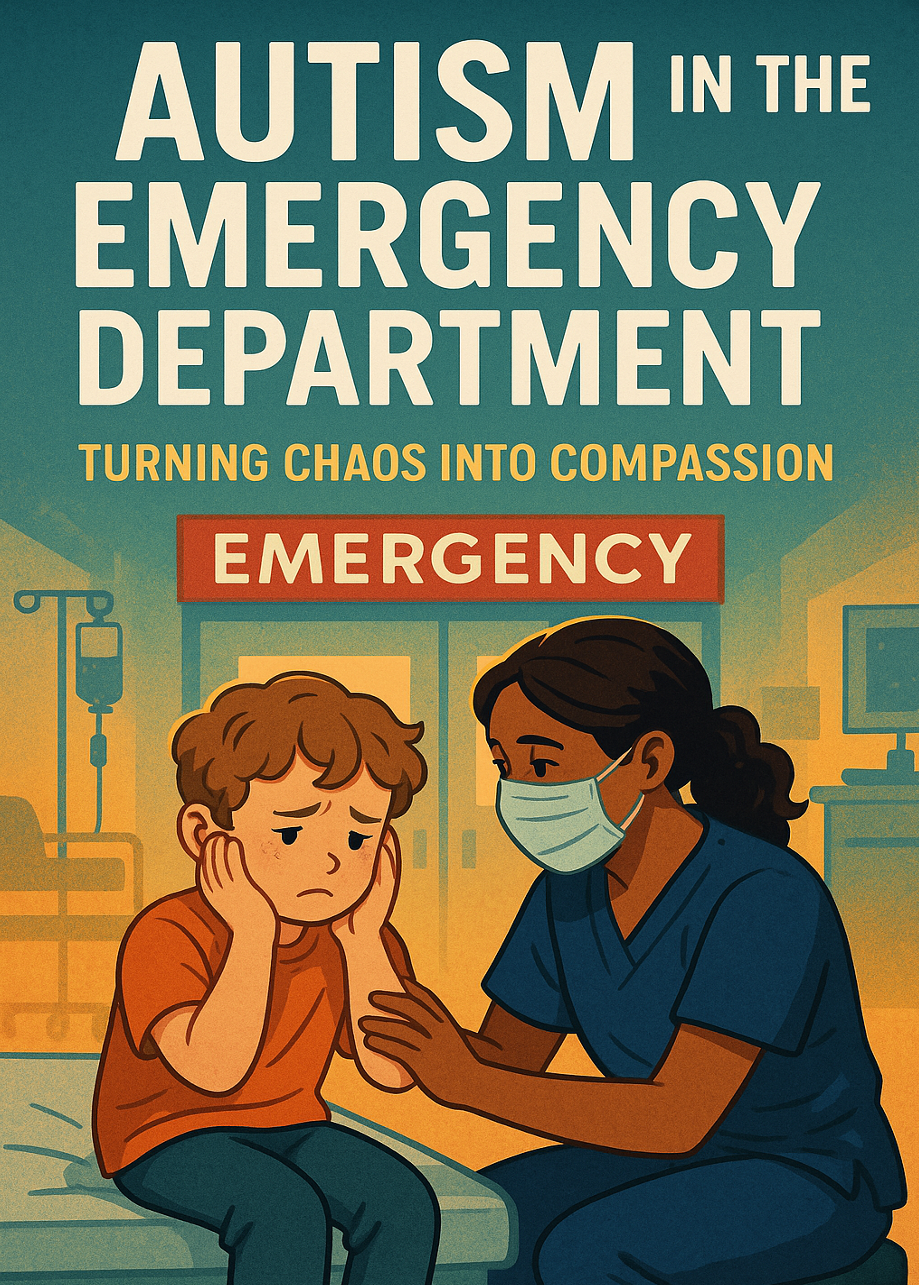
The emergency department is a stressful place for any patient, but for an autistic child, it can feel like a sensory and emotional storm. Harsh noises, bright lights, unexpected physical contact, and unpredictable waiting times—these elements can trigger a crisis and complicate medical care. However, with simple adjustments and a compassionate approach, emergency teams can turn this experience into a more manageable, even collaborative, moment.
Understanding to Act Better
Autism is a spectrum, and every child is unique. However, some common characteristics should alert healthcare providers: sensory hypersensitivity, rigidity in the face of change, communication difficulties, and an atypical expression of pain. An autistic child may not verbalize their discomfort, may resist a physical examination, or react violently to a stimulus that others would barely notice.
The key rule is simple: observe, listen, and adapt. It is crucial to ask accompanying caregivers—if present—about the child's specific triggers and calming strategies.
Practical Adjustments, Major Impact
Reduce stimuli: Avoid harsh lighting, offer a quieter space if possible, and limit the number of people in the room. If the child wears noise-canceling headphones or holds a comfort object, respect their needs.
Adapt communication: Speak slowly, use short and clear sentences, and support your words with gestures. Some children understand visuals better, so consider using pictograms or visual aids.
Allow time: Give the child a moment to adjust to their environment before performing an examination. If a medical procedure is necessary, explain it beforehand, show the equipment, and, if possible, let them explore it.
Anticipate crises: A distressed child may scream, struggle, or try to run away. In these cases, avoid harsh physical restraint, which can escalate agitation. Instead, prioritize verbal reassurance and temporarily remove the triggering stimulus if possible.
Involve the parents: They are often the best interpreters of their child's needs. If they suggest a way to calm their child, listen to them.
A Different Kind of Emergency, but a Manageable One
Caring for an autistic child in the emergency department is a challenge, but also an opportunity to show that emergency medicine can be both efficient and compassionate. With small adaptations and a thoughtful approach, the medical team can not only facilitate treatment but also gain the trust of the family and provide the child with a less traumatic experience.
The emergency department may never be an ideal environment for an autistic child, but it doesn't have to be a nightmare. In these small details lies the true humanity of medicine.
▸Chagas Disease in the Emergency Department: A Silent Global Threat
Editorial – World Chagas Disease Day (April 14)
By Nagi Souaiby, MD, MPH, Chief Editor, PoEM – Panorama of Emergency Medicine
Keywords: Chagas disease, emergency medicine, global health, cardiomyopathy, tropical infections
On April 14, the international medical community pauses to observe World Chagas Disease Day, marking over a century since the first documented case of human Trypanosoma cruzi infection. Despite this historical milestone, Chagas disease remains one of the most neglected and underrecognized parasitic infections, even as its global footprint expands. For emergency physicians, this elusive disease is not just a tropical anomaly—it is increasingly a frontline reality.
Chagas disease, also known as American trypanosomiasis, affects 6 to 7 million people globally, with over 10,000 deaths annually, primarily due to cardiac complications. While historically endemic to Latin America, it now spans continents due to global migration and medical travel. In countries like the United States, Spain, and parts of the Middle East, emergency physicians may be the first—and sometimes only—clinicians to encounter patients affected by this disease.
The Long Silence of Chagas
Chagas disease is insidious. It moves quietly through its acute phase, where symptoms are mild or absent, and then lies dormant for years. Decades later, it may emerge with irreversible cardiac damage—arrhythmias, heart failure, or sudden death.
The disease progresses in two major phases:
Acute phase: Often asymptomatic or non-specific (fever, fatigue, hepatosplenomegaly). Romaña's sign—a painless unilateral orbital swelling—is rarely observed outside endemic regions.
Chronic phase: Lifelong parasitemia persists. Around 30–40% of infected individuals will develop cardiac or gastrointestinal complications.
Chagas cardiomyopathy, the most clinically significant form, is characterized by: Conduction abnormalities (e.g., right bundle branch block, AV blocks), ventricular arrhythmias, progressive heart failure, apical aneurysms and systemic emboli, and sudden cardiac death—particularly in young to middle-aged adults.
For emergency departments, these presentations can easily be mistaken for more common cardiologic pathologies unless epidemiological risk is recognized.
What Every Emergency Physician Should Ask
A high index of suspicion remains the key to recognition. Emergency physicians should consider Chagas disease in patients who:
- Were born in or have lived in endemic Latin American countries
- Are offspring of mothers from endemic regions
- Received blood transfusions or transplants in endemic areas
- Present with idiopathic cardiomyopathy, unexplained arrhythmias, or stroke without vascular risk factors
A simple history question—"Where are you from originally?"—can open the door to life-saving suspicion.
What We Can Do in the ED
Although emergency departments are not the place for confirming Chagas disease serologically (which requires dual testing by ELISA and IFA), our role is to recognize, stabilize, and refer. The following steps can be crucial:
- ECG to identify conduction abnormalities or arrhythmias
- POCUS or chest X-ray to evaluate cardiac silhouette or pulmonary congestion
- Management of acute heart failure, ventricular tachycardia, or syncope
- Initiate discussions with infectious disease and cardiology teams for follow-up
Treatment with benznidazole or nifurtimox is more effective in the acute phase, but can still benefit selected chronic cases, especially younger patients.
A Call from the Frontlines
Emergency medicine sits at the intersection of acute care and global health. Chagas disease, long ignored by mainstream health systems, now enters our departments through complex patient pathways—migration, displacement, and health inequities. We must rise to meet it.
This World Chagas Disease Day, I invite all emergency clinicians to broaden their diagnostic lens. In our high-pressure, time-constrained environments, thinking globally and acting locally is not just possible—it's necessary. Recognizing Chagas disease at the bedside can mean preventing heart failure, averting sudden death, or stopping congenital transmission. These are not small victories.
▸Poems for EM Day: Celebrating Emergency Medicine
Guardians of the Night
In crowded halls where sirens wail,
They stand with hearts that never fail.
Through chaos, blood, and silent tears,
They fight away a nation's fears.
With empty hands but fullest soul,
They heal the sick, they chase the goal—
To serve with love, defy the cost,
And guard each life that might be lost.
They beg, they build, they forge a way,
Through broken systems, night and day.
Each act of care, a spark of light—
These doctors are the nation's might.
With love,
Dr. Ayesha Abbasi, MBBS, FCPS (Emergency Medicine)
MSC Epidemiology & Biostatistics
Assistant Professor & Head of Department
Department of Emergency Medicine
Dow University of Health Sciences (DUHS), Karachi, Pakistan
In the Pulse of the Emergency
In the blur between heartbeats, they rise—
Angels in scrubs, with fire in their eyes.
When seconds shatter and minutes bleed,
They answer the cry, they run to the need.
With stethoscope courage and calm in the storm,
They battle the chaos where lives transform.
A whisper of hope, a breath drawn anew,
Their hands hold the line that life clings to.
They don't ask for glory, nor pause to rest,
Each moment a trial, each action a test.
Yet in the silence that follows the strife,
They've stitched back the rhythm, rekindled a life.
So here's to the ones who stand in the fray—
The pulse of the night, the heart of the day.....
This is a tribute to all of us—who embody resilience, compassion, and courage in the pulse of every emergency.
Dr. Anusha
Simulation Program Lead at KIMS Hospitals, Secunderabad
The Heartbeat of the ER
Name tag cracked, scrubs worn thin,
Hasn't stopped since the shift kicked in.
Monitors scream in a constant burst
She's not alone, yet feels the worst.
Forty-seven souls, eighteen beds,
Three nurses, running on coffee and threads.
Math doesn't care if her back might break,
Or if her child woke up with ache.
"Heroes in scrubs," the posters claim
She smirks, sleeves up, no need for fame.
Pockets stuffed with gloves and debt,
A man flatlines—no time to fret.
She pushes hard with trembling grace,
A prayer behind her poker face.
This isn't strength in some grand display
It's staying when most walk away.
She charts. She wipes. She hides the strain,
Cries once behind the curtain's plain.
Then breathes back in, restores her face
"I am your nurse," she says with grace.
Madeleine El Hajj, MSN, RN
Clinical Instructor
Lebanese American University, Alice Ramez Chagoury School of Nursing
Poème des Urgences
Il suffit d'un instant,
L'instant magique du silence,
Non pas en forêt ou dans les champs
Mais assis aux urgences…
Une solitude pour réfléchir,
Un moment de conscience,
Trouble, sur notre existence.
Fardeaux, tristesses contenues, joies et rires,
Des soignants toujours présents
Pour le meilleur et pour le pire.
Une seconde encore…
Oublier et sourire!
Ali Afdjei
Emergency Medicine, Disaster Medicine, Sport Medicine
Head of ED hôpital privé de Parly2, Le Chesnay, France
▸When Clinical Acumen Meets Artificial Intelligence: A Case Report
By Nagi Souaiby, MD, MPH, MHM
Keywords: Artificial intelligence, Emergency medicine, Hand infection, Case report, Clinical decision-making
Abstract
Background: Artificial intelligence (AI) tools are increasingly integrated into emergency medicine. While they offer rapid diagnostic support, their limitations can pose risks when not coupled with clinical judgment.
Case Presentation: We present the case of a 30-year-old male with a neglected hand wound. An AI tool misinterpreted radiographic findings, overlooking signs of severe soft tissue infection. Prompt clinical judgment led to surgical intervention, preventing functional loss.
Conclusion: This case highlights the limitations of current AI systems in soft tissue assessment and reinforces the indispensable role of clinical expertise.
Introduction
Artificial intelligence (AI) is increasingly embedded in emergency medicine workflows, offering rapid diagnostic support, triage assistance, and decision-making augmentation. However, as with any tool, its utility is bounded by the quality and context of the data it processes, and by the clinician's capacity to interpret, verify, and act on its outputs.
Patient Information
We present the case of a 30-year-old male who consulted the emergency department 15 days after sustaining a neglected wound on the third digit of his left hand. The patient had self-medicated with nonsteroidal anti-inflammatory drugs (NSAIDs), masking early signs of infection. Upon presentation, the digit was visibly swollen, erythematous, and blistered, with signs of pus and impending necrosis. The clinical impression suggested a severe soft tissue infection, possibly an abscess or tenosynovitis, requiring urgent surgical intervention.
Diagnostic Assessment
A standard radiograph was obtained, which was processed through an AI-based radiological support system integrated into the hospital's imaging software. The AI report concluded: "No abnormality detected." While technically accurate in identifying no fractures or gross osteolysis, the system failed to flag the significant soft tissue findings evident to the naked eye. The image clearly showed soft tissue swelling and deviation of normal contours, alarming signs for any experienced clinician.
Therapeutic Intervention
The patient was immediately taken to the SOS hand operating theater for surgical drainage and debridement. Cultures later confirmed a polymicrobial abscess, with signs of early tendon sheath involvement. Delay in intervention would have risked irreversible functional loss, if not systemic sepsis.
Timeline
- Day 0: Finger injury occurs.
- Days 1–14: Self-medication with NSAIDs, symptoms worsen.
- Day 15: ED visit, clinical evaluation, and radiological imaging.
- Same day: Surgical drainage and debridement performed.
- Post-op: Microbiological cultures confirm polymicrobial abscess.
Discussion
This case illustrates a critical limitation of AI: its interpretations are only as valuable as the parameters it is trained to analyze. Most current AI tools in radiology are focused on detecting fractures, dislocations, or overt osseous abnormalities. Subtle soft tissue changes, especially in early or evolving infections, often fall outside their scope.
Importantly, this does not diminish the value of AI in emergency medicine. On the contrary, AI has revolutionized chest X-ray triage, intracranial hemorrhage detection on CT, and workflow optimization. However, AI must not be mistaken for clinical judgment. It lacks the capacity to integrate history, symptom duration, medication use (such as NSAIDs in this case), and subtle visual cues that seasoned practitioners rely on.
The human clinician remains irreplaceable in the triage and management of complex or atypical cases. Emergency medicine, perhaps more than any other specialty, demands this fusion of technology and human discernment. The challenge ahead is not to choose between AI and clinical acumen, but to ensure they operate in synergy.
Clinical Images
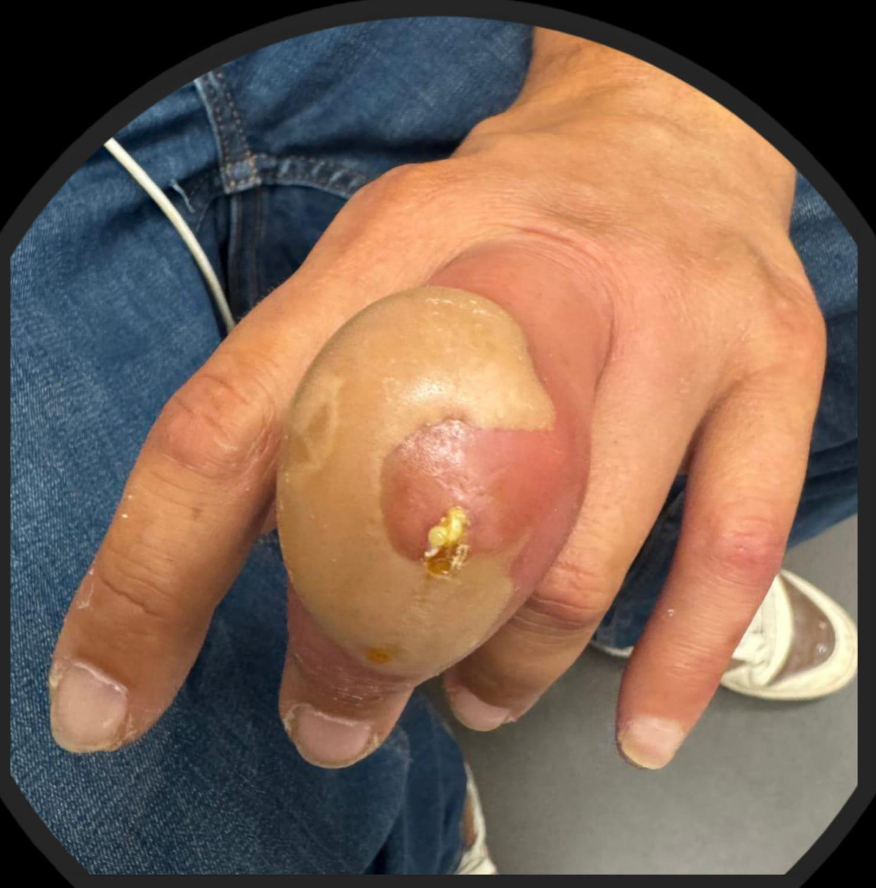
Figure 1. Initial appearance of the digit with blistering and erythema.
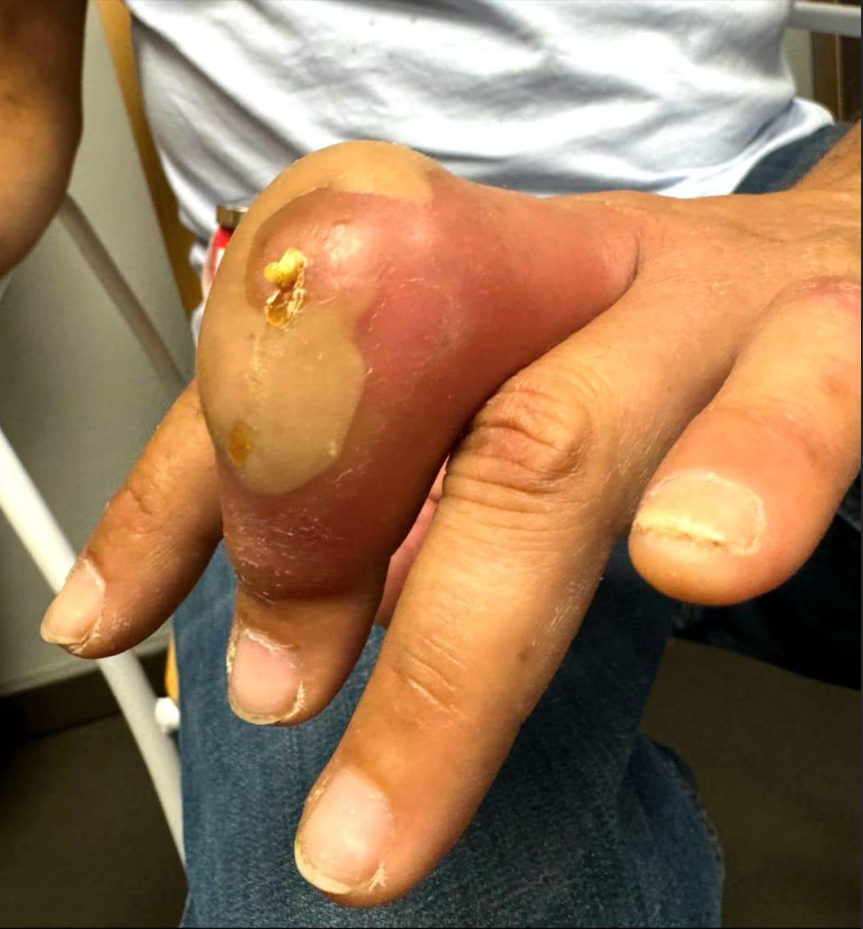
Figure 2. Purulent discharge visible on fingertip.
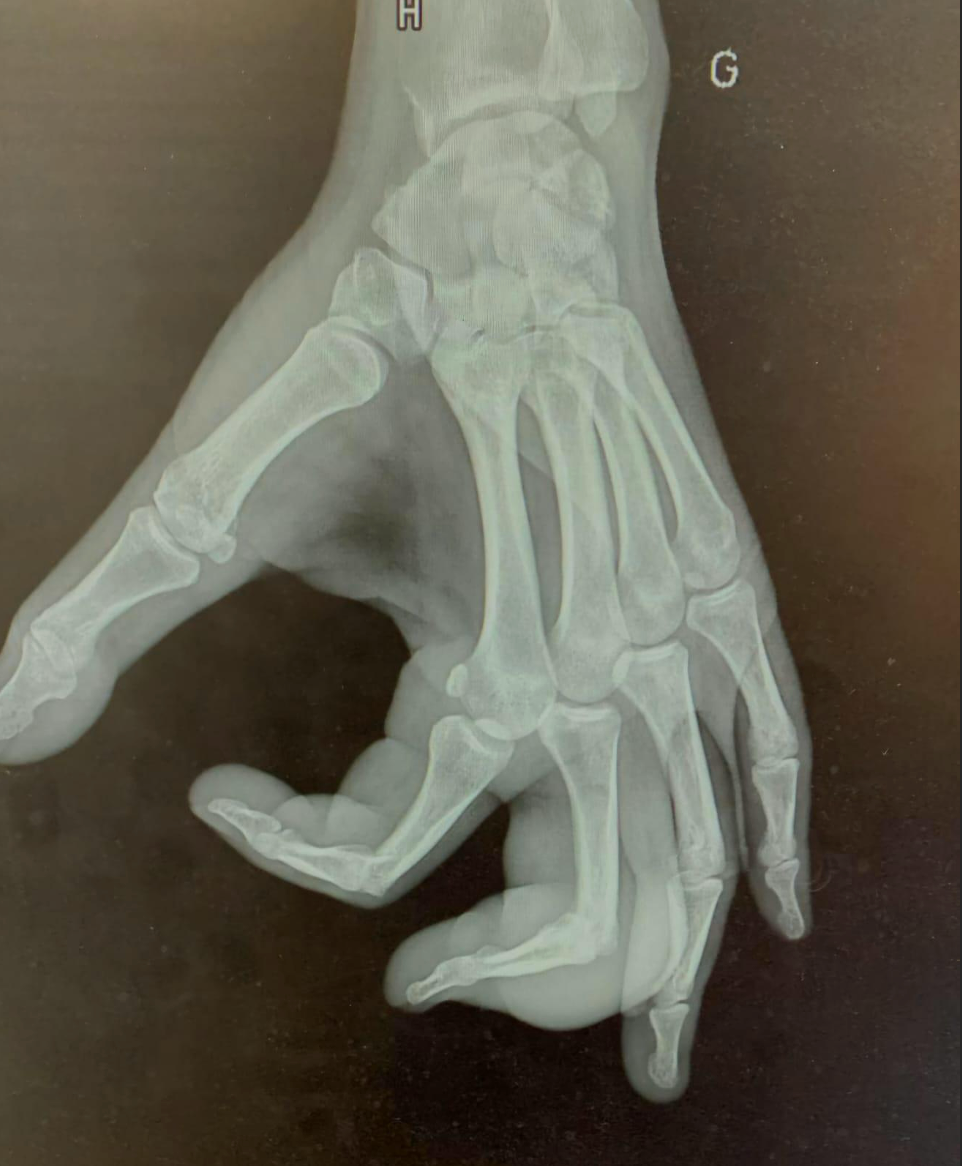
Figure 3. Radiograph showing soft tissue swelling.